
March is when yards in San Antonio start waking up.
The days are getting longer, the soil temperature is climbing, and Bermuda lawns across the city are beginning to show the first hints of green. If you’ve been following my earlier guides on preparing for early yard care and how to scalp your lawn, this is when that preparation begins to pay off.
March is a transition month. Winter cleanup is wrapping up and the growing season is about to begin.
A few simple tasks now will make a huge difference in how your lawn and garden perform once the Texas heat arrives.
Finish Scalping Your Bermuda Lawn
If you haven’t already done it, early March is usually the last good window to scalp Bermuda grass.
Scalping removes the dormant brown growth from last year and allows sunlight to reach the crowns of the grass. It speeds up spring green-up and helps the lawn grow in thicker once the soil warms.
If you want a detailed step-by-step explanation, read my guide:
👉 How Do I Scalp My Lawn?
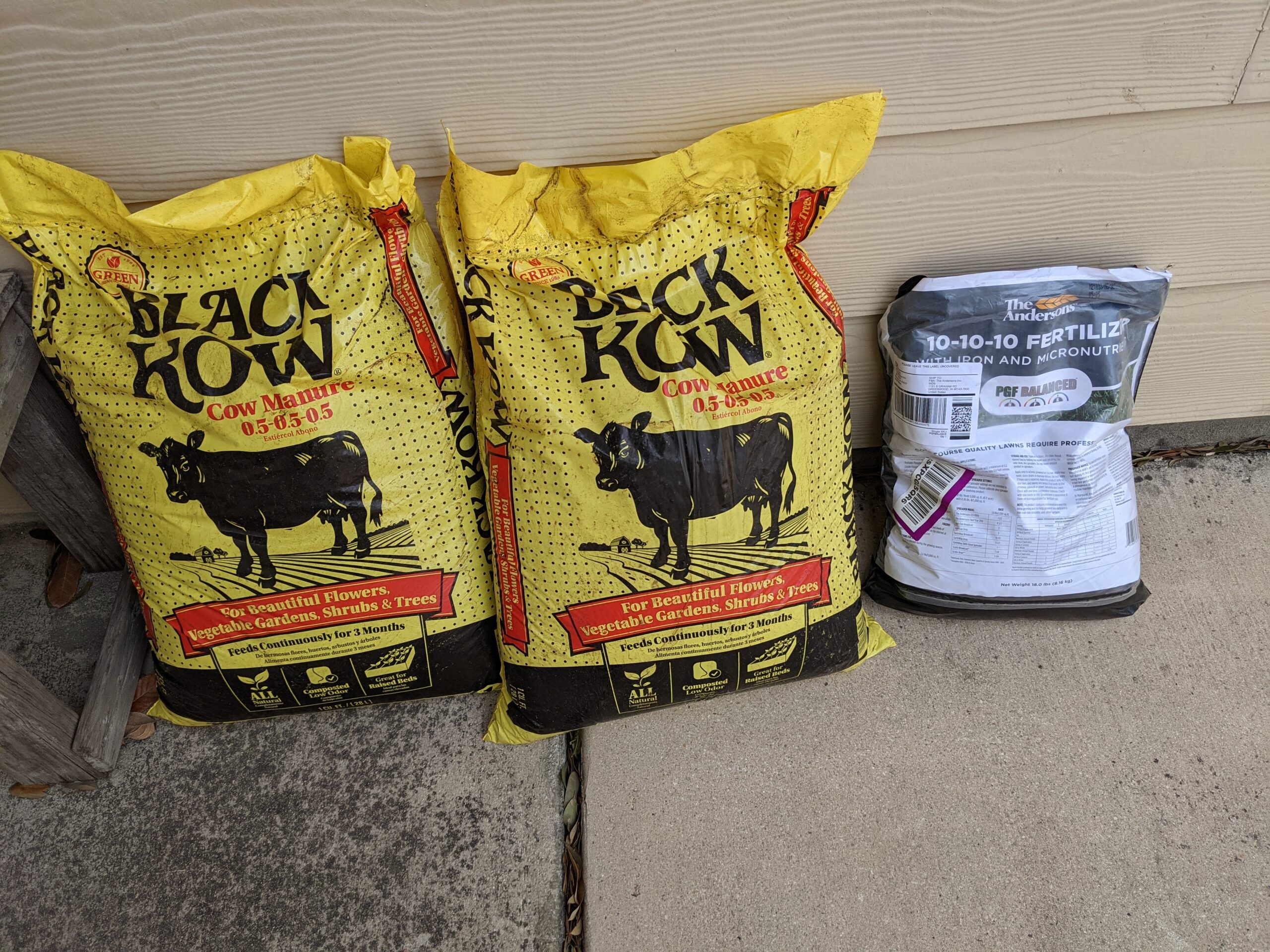
Start Feeding the Soil
March is when the soil ecosystem begins to wake up. Microbes become active again, which means it’s the perfect time to begin feeding the soil.
Healthy soil leads to healthy grass.
In Lawn Care: The Good Stuff I talked about one of my favorite simple approaches: using organic fertilizers that improve soil biology instead of just forcing grass growth.
One of the easiest options is chicken crumble feed. It’s inexpensive, widely available, and slowly breaks down into nutrients that feed soil microbes.
Organic fertilizers don’t give the instant dark green look of synthetic fertilizers, but they build healthier soil over time, which leads to stronger turf during our brutal Texas summers.

Repair Thin or Bare Spots
Once your lawn has been scalped, you’ll be able to clearly see problem areas that were hidden during winter.
March is a great time to:
- Fill low spots with soil
- Add compost to thin areas
- Break up compacted soil
- Repair winter damage
Bermuda spreads aggressively once temperatures warm up, so many small bare areas will fill in naturally once growth begins.
For a broader seasonal plan, see the full San Antonio Lawn Care Schedule, which walks through what to do each month.
Prepare Garden Beds for Spring Planting
March is also when garden beds need attention again.
Winter weeds and dead plant material should be cleared so new plants have space to grow. In Clearing Garden Space I talk about why doing this early makes the entire gardening season easier.
Typical tasks for March include:
- Removing winter weeds
- Clearing dead plants
- Loosening garden soil
- Adding compost or organic matter
- Refreshing mulch
Start Thinking About Soil and Seeds
With garden beds cleaned out, it’s time to think about planting.
In Soil, Seeds, and Other Stuff I talk about why soil preparation matters just as much as what you plant.
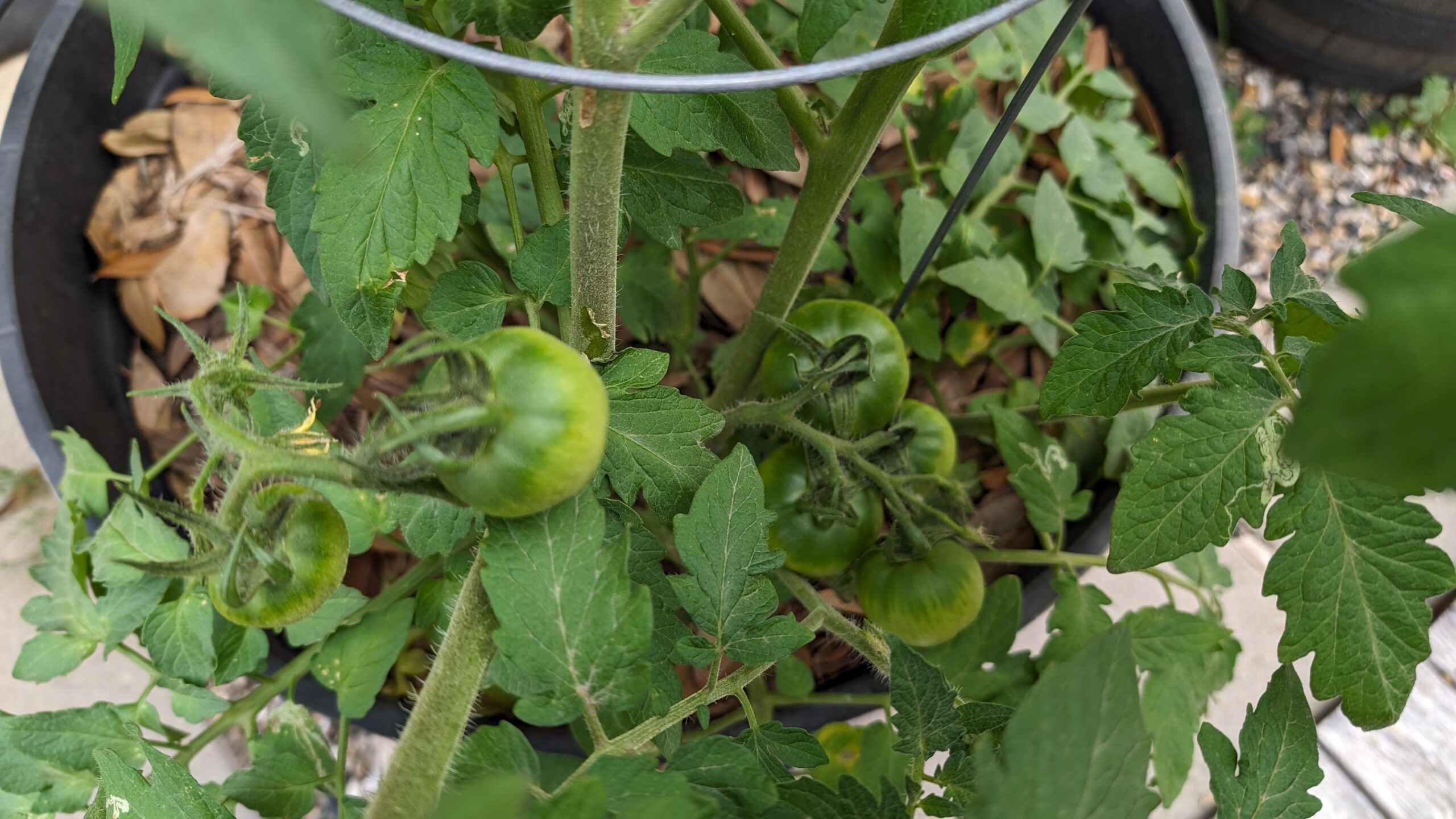
San Antonio’s growing season starts early, so March is when many spring vegetables can go in the ground.
Common March plantings include:
- Tomatoes
- Peppers
- Squash
- Beans
- Herbs
Just keep an eye out for the occasional late cold front.
Check Irrigation Before the Heat Arrives
Before the summer heat hits, March is a great time to test your irrigation system.
Run each zone and check for:
- broken sprinkler heads
- misaligned spray patterns
- leaks
- dry spots
Fixing irrigation issues now prevents a lot of frustration once temperatures start pushing 100°.
This type of routine yard maintenance is exactly why I wrote Let’s Mow the Lawn the small things done consistently make a big difference.
Getting Ahead of the Season
Good lawns in San Antonio aren’t built in April or May.
They’re built with the preparation you do in March.
If you want a deeper look at what should be happening throughout the season, these guides may help:
- 🌱 Spring Lawn Guide for San Antonio
- 🌿 San Antonio Lawn Care Schedule
- 🌾 Time to Prepare for Early Yard Care
Spring is here.
The lawn is waking up.
And that means it’s time to get outside and mow the lawn.