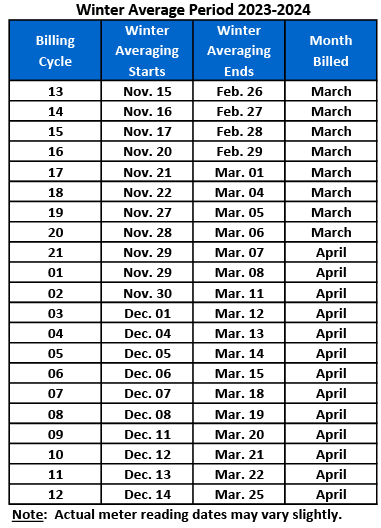
On your water bill you see a thing that is referencing your sewer bill. But how do they figure that out? During the late fall to early spring SAWS takes what is called a winter average. This is taken by averaging your water usage during these moths So to control your water bill year round, all you have to do is reduce your water usage during those months. Typically lawns go dormant during this time so watering them is a waste and not watering is one easy area to save your water usage.
Keep mowing your lawn. Grass growth will slow so you may only need to mow 1-2 a month for the grass itself. Mowing more often might be necessary if your lawn is primarily weeds.
Apply a fall fertilizer to help your lawn recover. I like a ratio of 16-4-8 in a liquid format before rain or watering the lawn. If using granular’s last month was really the last to apply one as they last several months and you don’t want the fertilizer to just feed winter weeds when you lawn goes dorment as it gets colder.
Apply a pre-emergent herbicide to prevent winter weeds. Check the label to make sure the weeds you had last year in your yard are on the label. Crabgrass, dandelions, thistle, nutsedge, and annual bluegrass are common.
If you have weeds that need to be removed, apply a liquid post-emergent herbicide like Spectracide, Bayer Advanced, or Image. This will kill anything existing prior to our pre-emergent applications. I find Spectracide works best on broad leaf weeds, Bayer Advaced works best on Crabgrass, and Image is the best at killing Nutsedge. Spectricide is the cheapest but it’s worth paying for one of the others if you have a particular issue with crab grass or Nutsedge. Also look at the ten day forecast when you do this and make sure it’s dry for a few days so that the herbicide isn’t immediately washed out.
I like to trim my trees later in the winter so now is also the time I inspect growth and decide which branches I want remove later to lift the canopy or help promote future growth in the right areas.
The winter weeds are trying to go to seed before the heat kills them. Keep the lawn mowed every week to reduce production of the weed seeds for next winter. Yes I know this can often be easier said than done when we have a rainy May.
You will be stuck with the weekly watering recommendation provided by SAWS. https://www.saws.org/the-drought-continues-and-so-do-stage-2-watering-rules/ Make sure to check the SAWS website for the latest watering schedule based on the aquifer level.
Scalping a lawn refers to mowing it very short, typically down to a height of 1-2 inches. While this can be beneficial in some cases, such as removing thatch buildup, it can also be damaging to the lawn if done improperly.
Here are the steps to safely scalp your lawn:
Choose the right time: The best time to scalp your lawn is in early spring, when the grass is just starting to grow. This will allow it to recover quickly.
Mow the lawn: Set your lawn mower to its lowest setting and mow the entire lawn. Be sure to remove any clippings or debris that are left behind.
Water the lawn: After scalping the lawn, give it a good watering to help it recover.
Fertilize the lawn: Once the grass starts to grow back, give it a boost with a fertilizer that is high in nitrogen.
Avoid repeat scalping: Scalping the lawn too often can damage the grass and make it more vulnerable to disease and pests. It’s best to only scalp the lawn once or twice a year.
Remember that while scalping can be beneficial in some cases, it’s not always necessary or beneficial for your lawn. Be sure to consider the specific needs of your lawn and consult with a professional if you’re unsure whether or not to scalp it.