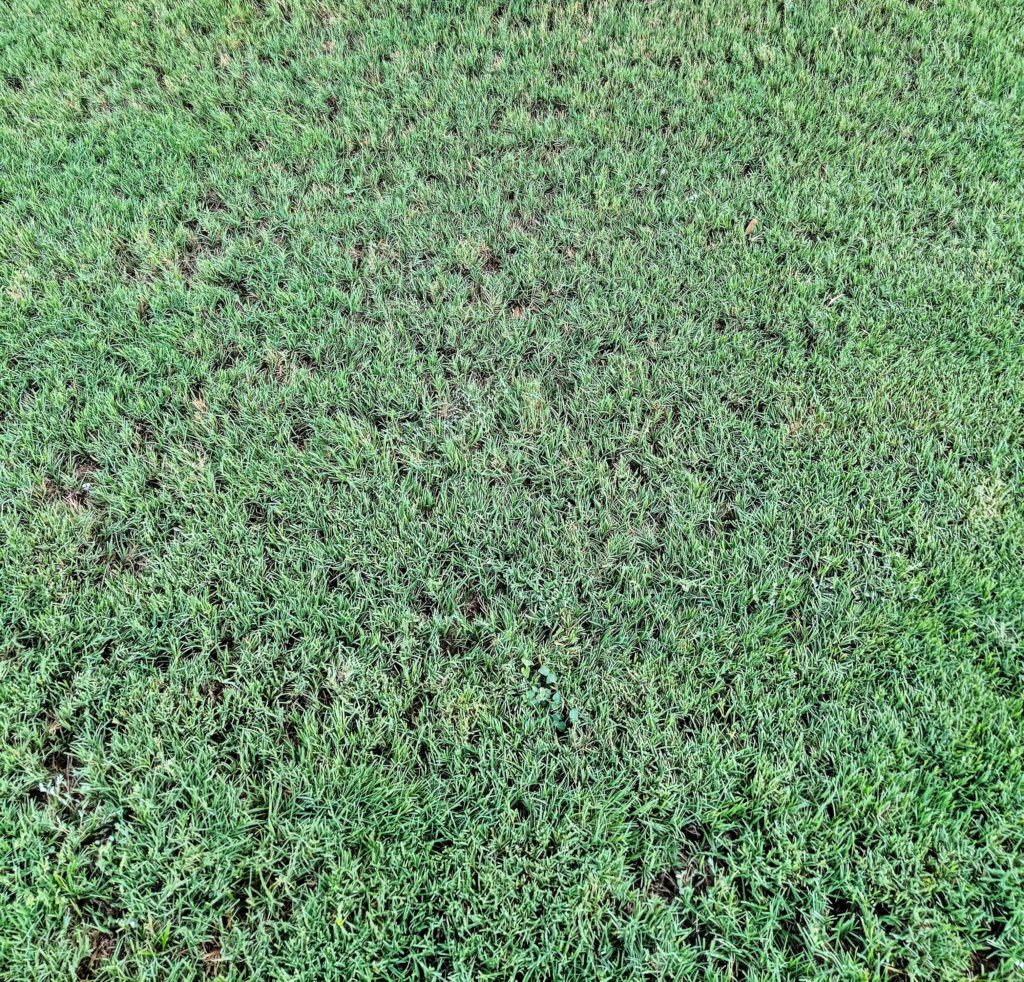
Some of you all are having issues with Winter weeds taking over your yard as we are in the back and forth weather prior to spring. Lets takes some steps to clear that up.
Mow the lawn. Even if the grass doesn’t need it, if weeds are going crazy cutting the lawn will remove portions of the weeds to include flowers and seeds and help to reduce their growth.
Apply a pre-emergent herbicide. This will help stop new seeds from germinating and has shown to also slow the growth of existing weeds.
Apply a liquid post-emergent herbicide like Spectracide, Bayer Advanced, or Image. I find Spectracide works best on broad leaf weeds, Bayer Advaced works best on Crabgrass, and Image is the best at killing Nutsedge. Spectricide is the cheapest but it’s worth paying for one of the others if you have a particular issue with crab grass or Nutsedge. Also look at the ten day forecast when you do this and make sure it’s dry for a few days so that the herbicide isn’t immediately washed out.
I wouldn’t recommend putting down fertilizer quite yet as lawns are still experiencing reduced growth for the most part from the winter. If you tackle the weeds now though your lawn will be ready to take off when we start really getting into Spring.
The first recommendation for this month is to turn off your irrigation systems if you use one. The reason being is that SAWS charges sewer service charges for all metered residential connections. Those charges are computed on the basis of average water usage for 90 days during three consecutive billing periods beginning after November 15 and ending on or about March 15 of each year. You can see more information about this at the SAWS website. So the key is to reduce water usage now to reduce your year round bill.
Second recommendation is to mow your yard to the height you want for the winter. Some of you haven’t mowed your lawn for a few months. Please please just mow it to hide the weeds that have been growing. When mowing you’ll notice growth has slowed greatly as lawns are lowering energy and getting ready to hibernate for the winter. So please mow it but don’t take it down to the dirt as it won’t be growing back to quick.
Third recommendation is about what you should and shouldn’t add to your yards at this point. Don’t use a granular fertilizer as lawns are ready to hibernate and that will feed weeds more than anything. If you want to hold onto green for a bit use a liquid spray fertilizer as a supplement. Use a pre-emergent fertilizer now to help prevent winter weeds. This will help into the winter and spring. If you see birds rooting around like I did, then use your normal yard spray to eliminate the grubs, army worms, ect. they are feasting on that are feasting on your lawn.
That’s it for now. Leave a comment with any questions you might have for any details I missed.
The big thing is to keep up with watering and to mow as needed. Also it’s too hot to treat for weeds broadly like some of my posts talked about in the past. If you treat for weeds use a hand held sprayer and go directly at the couple weeds you are targeting. It’s also too hot too push your lawn by using fertilizer. This is a risky time of year to place down chemicals and you risk burning your lawn, so be aware of that. This time of year I just put down a natural fertilizer called milorganite. It just feeds microorganisms that produce the fertilizer by feeding on the milorganite and has no issues of burning the lawn. I also treat for bugs as needed, at least every other month and I have had good results with that. I also still place down a pre-emergent fertilizer every other month and that helps keep the weeds down to begin with.
Back to the watering. Make sure your lawn gets an inch of water a week to keep it green and healthy. So weeks we get rain is awesome and ones we don’t, make sure to water. If using an irrigation system make sure to watch for hot spots along sidewalks or places where the soil is poor in the lawn. Just hand water a little extra there to counter act that.
So if you followed my last post you have treated your lawn with an herbicide and now you have a lawn full of dead weeds with some grass underneath. Wait at least three days for the weeds to die and then it’s time to pull out your lawn mower.
If it’s your first time mowing for the year it’s a good time to get your lawn mower blade sharpened. I just take mine off and use a file but there are people out there that will professionally sharpen it for a small fee. Do whichever works for you. Next adjust the height of your mower deck. The rule of thumb is to not mow more than 30% of your lawn at once. So if you haven’t mowed in a while you might take a few different mowings to get to your desired height. Right now my lawn is looking healthy at 2 inches and in the summer I let it grow a bit longer to 2.5 inches. I find that helps my lawn retain the moisture in the soil better in our hot summer months. Experts in our area recommend as long as three inches for Bermuda. It will take you a little experimentation to see what works best for your lawn along those lengths. One small note: I don’t recommend 1.5 inches or shorter past spring. It’s very hard to keep that from burning up at that length. With this mowing I recommend bagging the clippings as it will have seeds from the weeds that you don’t want to put back in your lawn. On a regular basis I use the mulching function on my mower and I credit that as part of what helps keep my lawn and soil healthy.
Another thing worth mentioning is how often to mow. In spring it starts growing pretty quick so you normally can’t go more than two weeks without needing to mow or else ending up mowing too much off at once. This is one of the more common mistakes I see in our area when someone mows every other month and their lawn struggles because every time it gets cut it loses more than half of the blade. Cutting on a more regular basis is much healthier for your lawn. If you can’t meet that schedule, get a lawn service or neighborhood kid to mow it for you. As another alternative SAWS offers coupons for removing parts of your lawn to replace with native plants, pavers, and other durable coverage. Check the SAWS website for details on that.
As a note at the bottom here, you might have heard of somethings called scalping before. With Bermuda it goes dormant in the winter and becomes a nice gold/brown. In the spring that dead grass just gets in the way. I normally scalp my lawn at the end of February to the beginning of March. I normally do the mowing in two runs to get it all. I bring it down to 1.5 inches on the first run and then 1 inch on my follow up mowing as the shortest my mower can safely mow the lawn. I bag all the clippings from scalping as the clippings would be too thick and have little value back in my lawn as such dead grass. If you missed scalping earlier I would try mowing half an inch lower than normal this cutting which will get you some of the same benefits but won’t be as tough on your lawn as things seem to already be heating up quickly.