
Life

March Lawn and Garden Care in San Antonio

March is when yards in San Antonio start waking up.

The days are getting longer, the soil temperature is climbing, and Bermuda lawns across the city are beginning to show the first hints of green. If you’ve been following my earlier guides on preparing for early yard care and how to scalp your lawn, this is when that preparation begins to pay off.

March is a transition month. Winter cleanup is wrapping up and the growing season is about to begin.

A few simple tasks now will make a huge difference in how your lawn and garden perform once the Texas heat arrives.

Finish Scalping Your Bermuda Lawn

If you haven’t already done it, early March is usually the last good window to scalp Bermuda grass.

Scalping removes the dormant brown growth from last year and allows sunlight to reach the crowns of the grass. It speeds up spring green-up and helps the lawn grow in thicker once the soil warms.

If you want a detailed step-by-step explanation, read my guide:
👉 How Do I Scalp My Lawn?

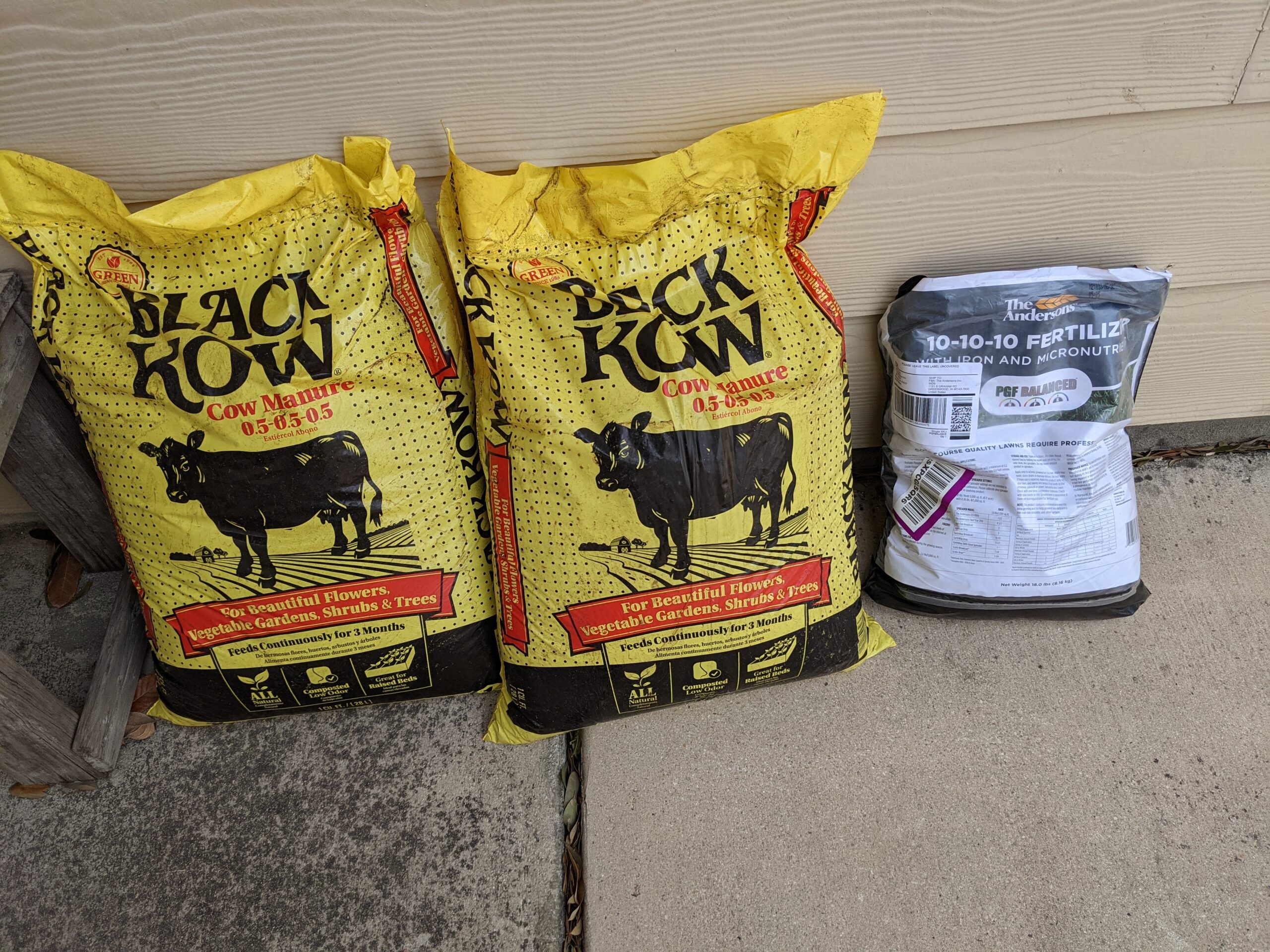
Start Feeding the Soil

March is when the soil ecosystem begins to wake up. Microbes become active again, which means it’s the perfect time to begin feeding the soil.

Healthy soil leads to healthy grass.

In Lawn Care: The Good Stuff I talked about one of my favorite simple approaches: using organic fertilizers that improve soil biology instead of just forcing grass growth.

One of the easiest options is chicken crumble feed. It’s inexpensive, widely available, and slowly breaks down into nutrients that feed soil microbes.

Organic fertilizers don’t give the instant dark green look of synthetic fertilizers, but they build healthier soil over time, which leads to stronger turf during our brutal Texas summers.

Repair Thin or Bare Spots

Once your lawn has been scalped, you’ll be able to clearly see problem areas that were hidden during winter.

March is a great time to:

  • Fill low spots with soil
  • Add compost to thin areas
  • Break up compacted soil
  • Repair winter damage

Bermuda spreads aggressively once temperatures warm up, so many small bare areas will fill in naturally once growth begins.

For a broader seasonal plan, see the full San Antonio Lawn Care Schedule, which walks through what to do each month.
Prepare Garden Beds for Spring Planting

March is also when garden beds need attention again.

Winter weeds and dead plant material should be cleared so new plants have space to grow. In Clearing Garden Space I talk about why doing this early makes the entire gardening season easier.

Typical tasks for March include:

  • Removing winter weeds
  • Clearing dead plants
  • Loosening garden soil
  • Adding compost or organic matter
  • Refreshing mulch

Start Thinking About Soil and Seeds

With garden beds cleaned out, it’s time to think about planting.

In Soil, Seeds, and Other Stuff I talk about why soil preparation matters just as much as what you plant.

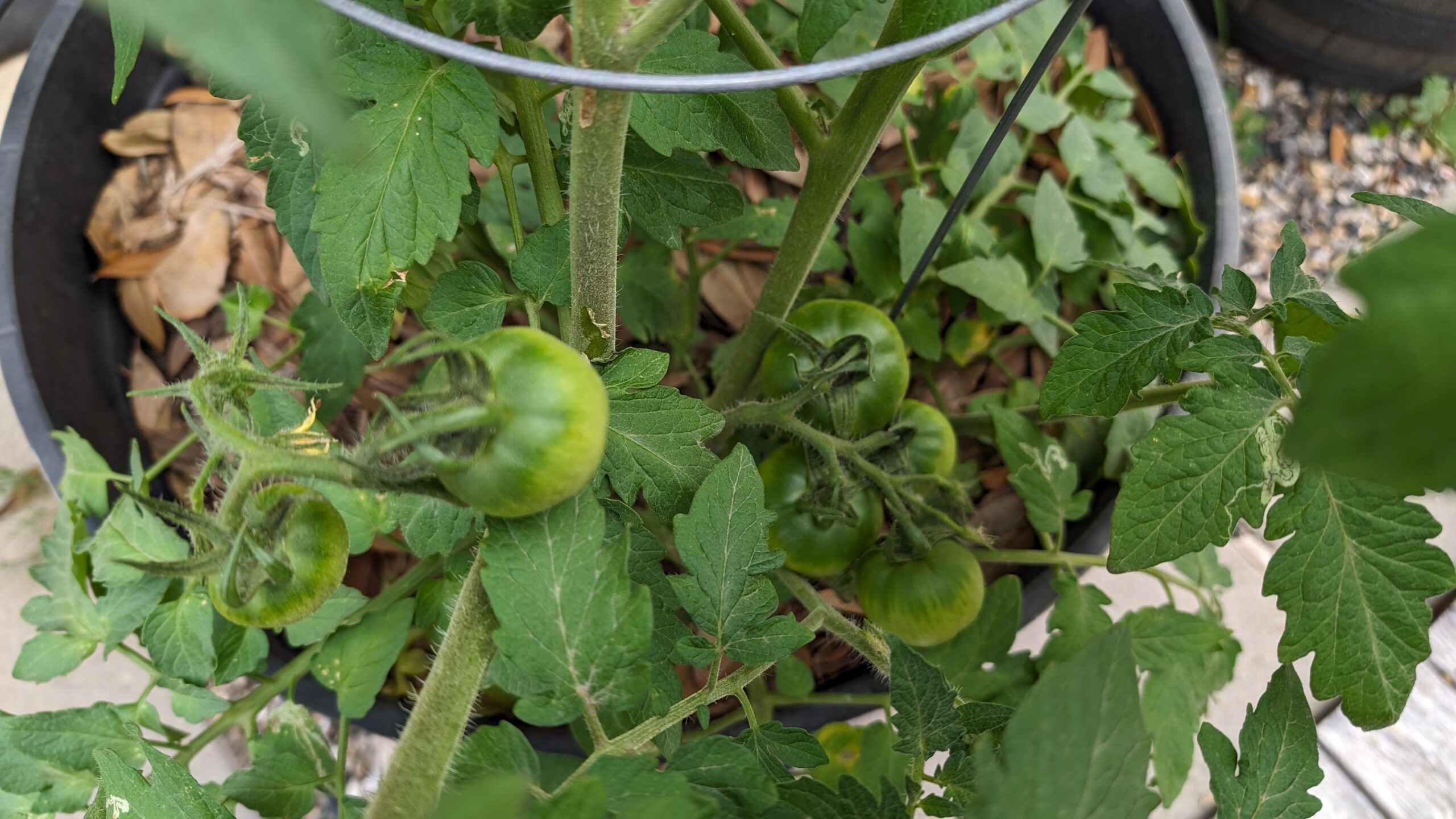
San Antonio’s growing season starts early, so March is when many spring vegetables can go in the ground.

Common March plantings include:

  • Tomatoes
  • Peppers
  • Squash
  • Beans
  • Herbs

Just keep an eye out for the occasional late cold front.
Check Irrigation Before the Heat Arrives

Before the summer heat hits, March is a great time to test your irrigation system.

Run each zone and check for:

  • broken sprinkler heads
  • misaligned spray patterns
  • leaks
  • dry spots

Fixing irrigation issues now prevents a lot of frustration once temperatures start pushing 100°.

This type of routine yard maintenance is exactly why I wrote Let’s Mow the Lawn the small things done consistently make a big difference.

Getting Ahead of the Season

Good lawns in San Antonio aren’t built in April or May.

They’re built with the preparation you do in March.

If you want a deeper look at what should be happening throughout the season, these guides may help:

Spring is here.

The lawn is waking up.

And that means it’s time to get outside and mow the lawn.

March Lawn and Garden Care in San Antonio Read Post »

Dad’s Bread Recipe

Pour into mixing bowl
1 cup warm water
4 tsp sugar
2 tsp yeast
Whisk until well mixed

Pour into mixing bowl
3 cup bread flour then
1 tsp salt

Mix with rubber spatula
Put on latex gloves and knead until well mixed (1-2 minutes)
Allow to sit in a bowl for 1 hour, until it rises double in size

Heat oven to 400 degrees
Grease dutch oven.
Place dough in a dutch oven shaped as round loaf with a lid.
Bake for 15 minutes
Remove the lid and bake for 5 more minutes

Remove from the oven and carefully tip the loaf out
Allow the loaf to cool and serve

Dad’s Bread Recipe Read Post »

Two Weeks with Google Fiber

For years I used Spectrum Internet. Off-promotion pricing ran about $80/month for 500 Mbps down and 20 Mbps up, or $100/month for 1 Gbps down and 35 Mbps up. I used my own modem and router, which kept things consistent.

Two weeks ago I switched to Google Fiber. For $100/month I now have the 3 Gbps × 3 Gbps plan. They provided a Google Router and two mesh access points, and right out of the box it was blazing fast, easily more than enough for the average household.

But my household isn’t average. I run a home server for file backups, media, and our blog. While the Google Router works well for general use, it was lacking when it came to port forwarding. To solve that, I purchased a wired router capable of handling the traffic, connected my server directly through it, and then routed the Google hardware through that router. This setup gives my server its own LAN, logically and physically separated from the rest of the network.

On top of that, I configured the Google Fiber router’s Guest Wi-Fi as the network for all IoT devices. Since it can operate on its own VLAN, those devices are also isolated from my personal computers. From a cybersecurity perspective, this is a much more secure and efficient division of traffic.

Now that my advanced setup is in place, I couldn’t be happier. I get the full 3 Gbps on wired connections and the maximum possible speeds on wireless devices. For both everyday users and power users like me, Google Fiber delivers excellent performance and flexibility. Highly recommended.

Two Weeks with Google Fiber Read Post »

By Choice, Not by Force: Why Many Latter-day Saints Embrace Libertarian Principles

Faith and Freedom Intertwined

The Church of Jesus Christ of Latter-day Saints teaches that agency—the God-given ability to choose between good and evil—is central to His plan for humanity. This belief shapes not only personal morality but also perspectives on how societies should be governed. For many Latter-day Saints, the principle of agency naturally leads to a preference for political philosophies that maximize individual liberty and minimize coercion. This is why many members find common ground with Libertarian principles, which seek to protect life, liberty, and property while leaving people free to choose their own paths.


Agency: A Divine Gift and Sacred Responsibility

From the very beginning, LDS doctrine emphasizes agency as essential to God’s plan. The Book of Mormon teaches that “men are free according to the flesh… to choose liberty and eternal life… or to choose captivity and death” (2 Nephi 2:27). This freedom to choose is not an incidental blessing; it is the foundation upon which moral growth is built.

The LDS narrative of the War in Heaven is a profound allegory for the value of liberty. In that pre-mortal realm, we are taught that Lucifer proposed a plan to force all souls to choose righteousness, removing the possibility of sin—but also removing agency. The Father rejected this plan, knowing that without freedom, righteousness would be meaningless. Libertarianism echoes this truth: virtue cannot be mandated; it must be chosen.


Accountability: Freedom’s Counterpart

In LDS theology, agency is always paired with accountability. Doctrine and Covenants 101:78 declares that God ordained “that every man may be accountable for his own sins in the day of judgment.” Freedom is not a license to harm others—it is the opportunity to act, coupled with the responsibility to bear the consequences of those actions.

Libertarianism shares this view. It champions a system where individuals may live as they choose, so long as they do not infringe upon the rights of others. Just as the gospel rejects the idea that we can outsource our moral duties to someone else, libertarian thought rejects the idea that a government can make us virtuous through compulsion.


The Proper Role of Government

Many Latter-day Saints believe that the U.S. Constitution was divinely inspired, as stated in Doctrine and Covenants 101:80. Its principles of limited government and individual rights align closely with libertarian ideals. The proper role of government, from this perspective, is to protect citizens from force and fraud—not to direct every aspect of their lives.

LDS history itself provides sobering lessons about government overreach. The persecution of the Saints in Missouri and Illinois—often carried out by state authorities—illustrates the dangers of concentrated political power. These experiences foster a deep appreciation for the need to keep government powers in check.


Voluntary Charity Over Coerced Redistribution

Service and charity are hallmarks of LDS life, but they are meaningful precisely because they are voluntary. Latter-day Saints donate to the Church’s welfare program, participate in humanitarian projects, and perform countless acts of service—not because the government requires it, but because love and compassion move them to act.

Libertarians hold that genuine charity cannot be legislated. While a government can take resources through taxation and redistribute them, it cannot create the spiritual and emotional bonds formed when people freely choose to help one another. Voluntary giving respects both the giver’s agency and the dignity of the recipient.


Acknowledging Differences

Of course, not all Latter-day Saints identify as Libertarians. Some believe government programs can be a tool for compassion or moral order. But even in these cases, the LDS principle of persuasion over compulsion offers common ground. As Doctrine and Covenants 121:41 teaches, power should be maintained “only by persuasion, by long-suffering, by gentleness and meekness, and by love unfeigned”—principles as valuable in politics as they are in ministry.


Preserving the Gift

Agency is more than a theological concept; it is a stewardship. Preserving the freedom to choose is a responsibility that extends beyond personal life into the civic sphere. For many Latter-day Saints, Libertarianism offers a framework for protecting that sacred gift—ensuring that choices, whether moral or mundane, remain in the hands of individuals rather than distant authorities.

In the end, God’s plan is carried out not by force, but by choice. And it is through protecting that choice—in law, in governance, and in daily life—that we safeguard both liberty and the opportunity for righteousness.

By Choice, Not by Force: Why Many Latter-day Saints Embrace Libertarian Principles Read Post »